

Amid controversy, pisco’s history and cocktails point to a Peruvian origin.
The Controversy
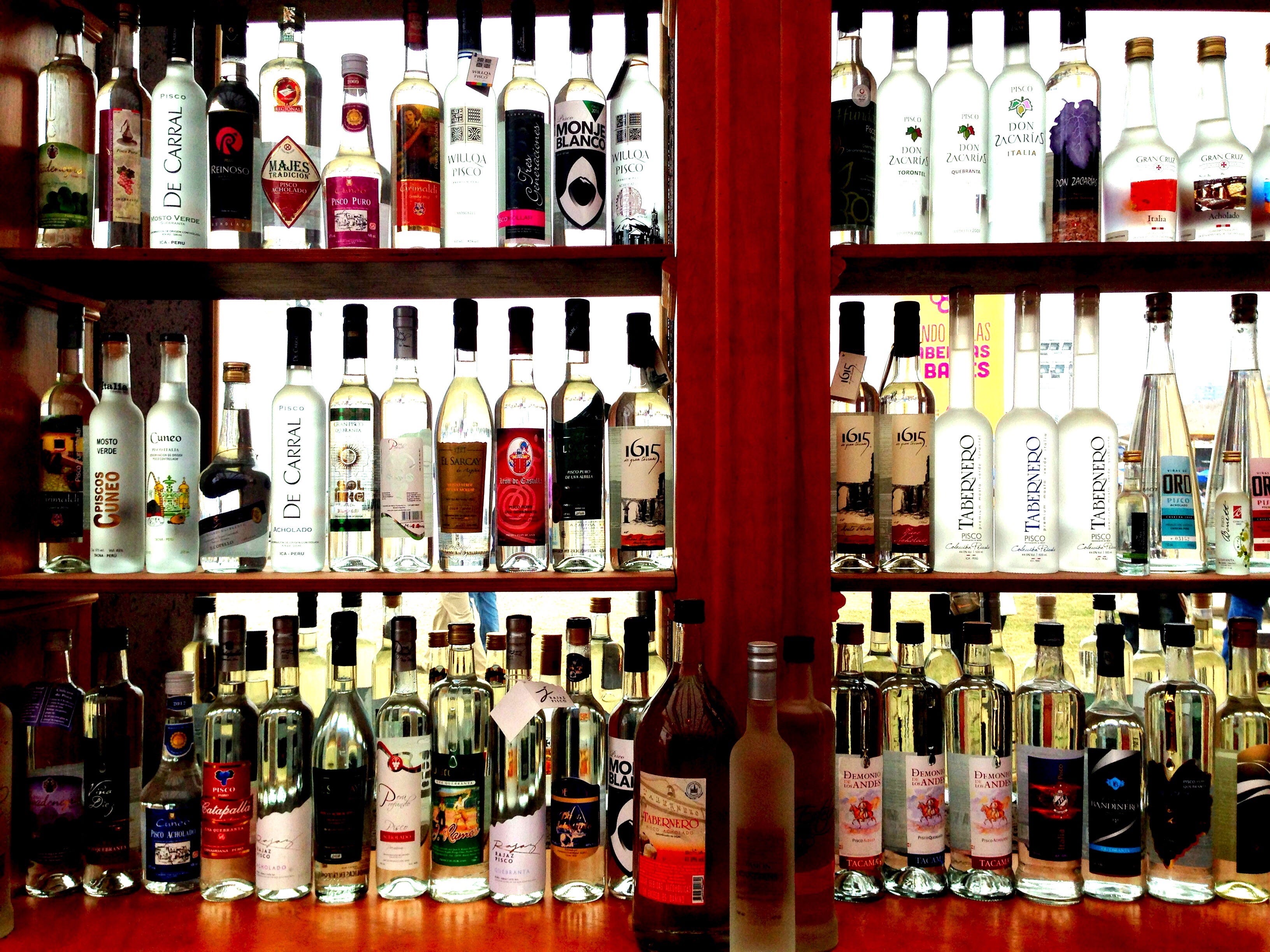
Pisco is a grape brandy, and both Peru and Chile stake a claim to the pisco appellation. Each calls pisco their national spirit, and each country’s D.O. (denomination of origin) regulates the grapes to use and how to distill it. So, is pisco from Chile or from Peru?
Let’s take a look at pisco’s Peruvian etymology. In Quechua, one of Peru’s Indigenous languages, the word for bird is “pisku.” Then, there’s the port of Pisco, founded in 1640, that has exported pisco from Peru to places like California since the Gold Rush. The earthenware jars used to store and transport the spirit since the 16th century are also called “piscos.”
A D.O. matters. For example, France’s D.O. for champagne states that the wine can only be produced in the Champagne region via the méthode champenoise. Now, imagine the outcry if neighboring Spain changed the name of one of their cities to Champagne and called champagne theirs. That’s what Chile did in 1936 when it renamed the village La Union to Pisco Elqui in an effort to strengthen their claim.
A book titled “El Pisco Nació en Chile” claims pisco was born in Chile and makes reference to a 1733 document listing three pisco jars in the inventory of hacienda La Torre. Unfortunately, the book’s evidence is unclear or misleading. It’s unclear whether the three pisco jars in the inventory are just empty earthenware jars, jars containing pisco, or jars that were transported from the port of Pisco in Peru. Also, a graphic shows Pisco Elqui in 1715, two centuries before the name change.
Beyond the above, the evidence, pisco's long history in Peru, and Peru’s pisco cocktails strongly point to the spirit’s Peruvian origin.
The History
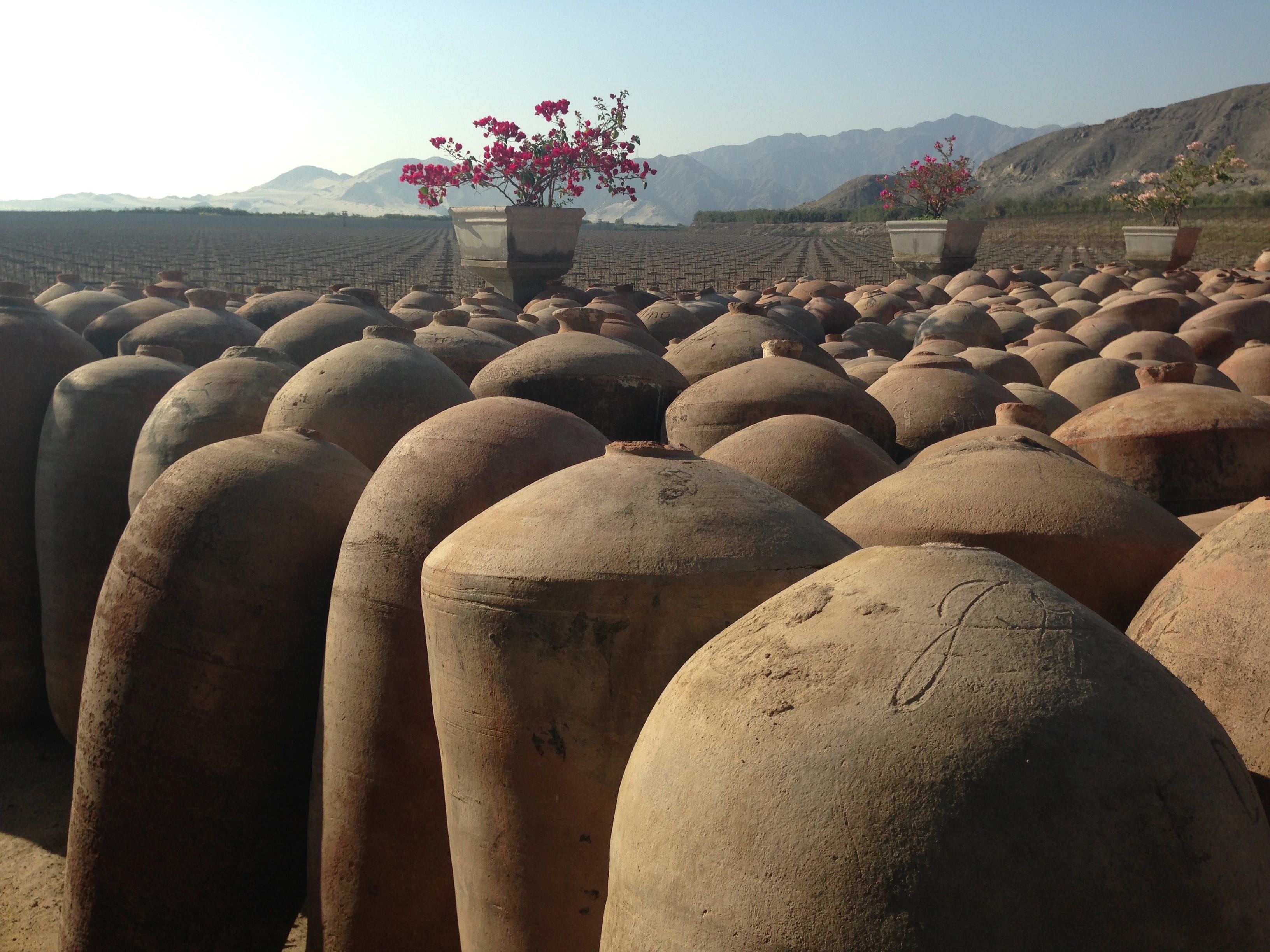
Peru’s Ica Valley, 200 miles south of Lima, is home to some of the first vineyards in South America that produced wine and then pisco since the 16th century. At first, distillers called the spirit aguardiente de uva (grape firewater). But with the start of commercial exportation on ships leaving from Peru’s port of Pisco, the aguardiente’s name became simply pisco.
The UNESCO validated and registered historical documents and maps that prove that pisco production occurred in Peru between 1587 and 1613. These documents include:
1587: payments and settlements recording the materials and production of pisco
1589: commercial maritime records of pisco exports from the port of Pisco
1605: the last will and testament of Manuel de Azante noting the distillation and storage of pisco
1613: the last will and testament of Pedro Manuel noting the production and commerce of pisco in Ica
In 1823, The British Press wrote about an American ship carrying 2,800 jars of Pisco brandy from the port of Pisco during Peru’s war for independence. This is an early reference to pisco with a clear place of origin.
In California, a legal case from 1864, “The U.S. vs. 200 Jars of Pisco,” clearly identifies the spirit as Peruvian, both in production and point of origin. The case was brought against Nicholas Larco who was importing pisco (in pisco earthenware jars) from Peru to San Francisco. Apparently, Larco violated import quantity regulations.
Peru's claim to the pisco appellation is stronger because evidence from historical documents dating to 1587 support pisco's Peruvian origin. While in Chile a reference to pisco appeared in 1733, albeit in an unclear context.
The Cocktails
The Pisco Sour is the national drink of both Peru and Chile. And there are anecdotes about drinks in both countries that combined pisco with lime juice and sugar. However, written documents point to the Pisco Sour’s Peruvian origin.
The 1903 Peruvian cookbook, “Nuevo Manual de Cocina a La Criolla,” includes an early version with pisco (not just aguardiente), sugar, and egg whites. In 1920, Victor Morris began serving the Pisco Sour at his bar in Lima, and the cocktail appears as “Pisco Sour” on the bar’s menu alongside other gin, whiskey, champagne, vermouth, and brandy cocktails. Meanwhile, 14 years later a 1934 Chilean novel, “La chica del Crillón" by Joaquín Edwards Bello, mentions the Pisco Sour.
Beyond the Pisco Sour, Peru has a rich history of pisco cocktails that spans centuries:
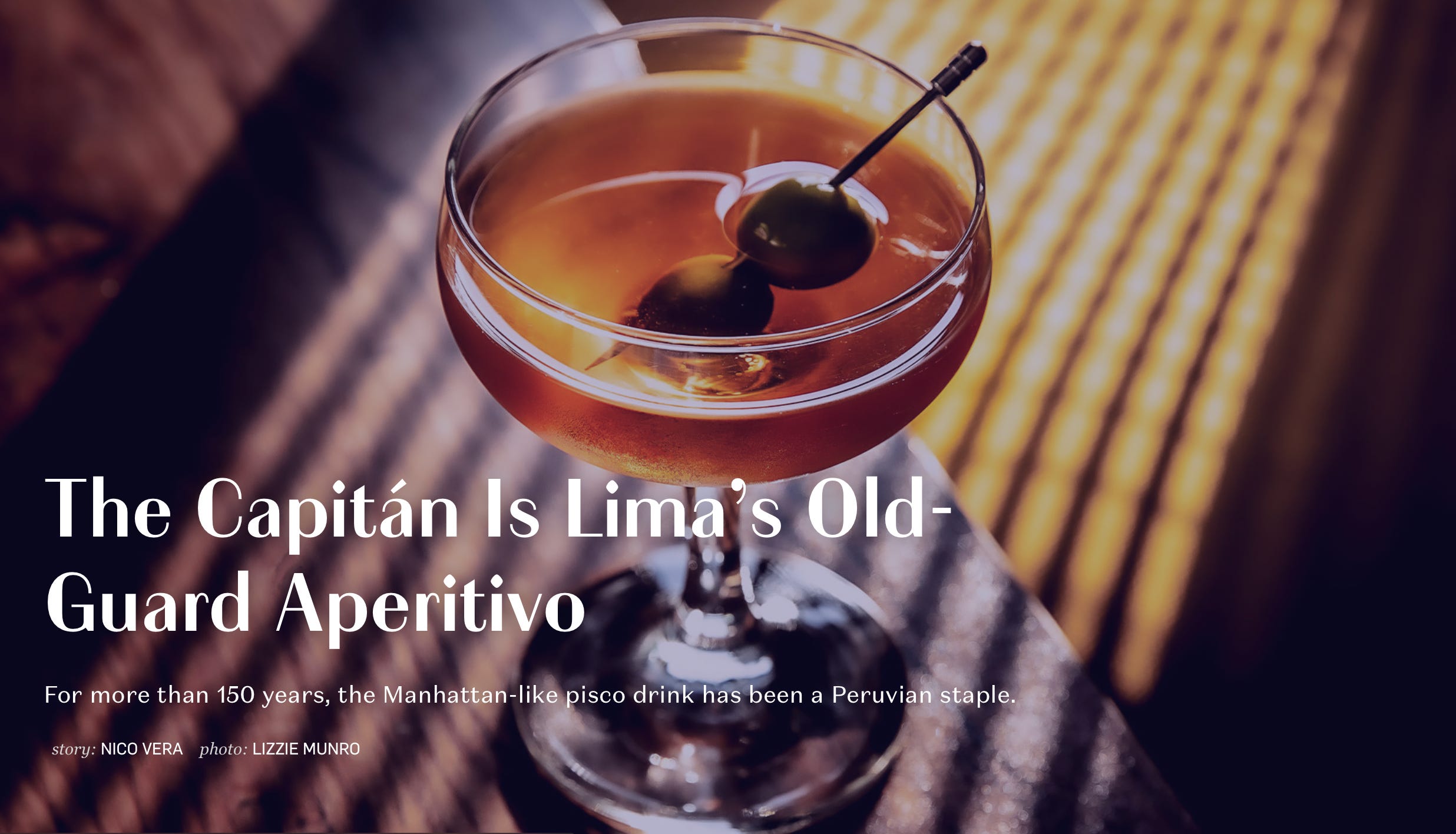
El Capitán: the old-guard mix of pisco and vermouth has been around in Lima for more than 150 years.
Pisco Punch: made with pisco imported from Peru, the potent drink rose to fame in San Francisco, California, from 1893 until Prohibition.
Chilcano: the refreshing combination of pisco with ginger ale and lime juice has strong connections to Lima’s 19th century.Italian immigrants.
Emoliente Piteado: a clandestine street cocktail which originated from the tisanes served by Lima’s street vendors during the Viceroyalty of Peru.
El Chirulín: the Afro-Peruvian cocktail from El Ingenio that combines pisco, pomelo, and cinnamon syrup is likely Peru’s first pisco cocktail.
In Chile, popular pisco cocktails include Peru’s Pisco Sour and Chilcano plus drinks of Chilean origin, such as the Pichuncho (similar to a Manhattan) and Piscola (a mix of pisco and Coca-Cola).
Two Spirits, One Pisco
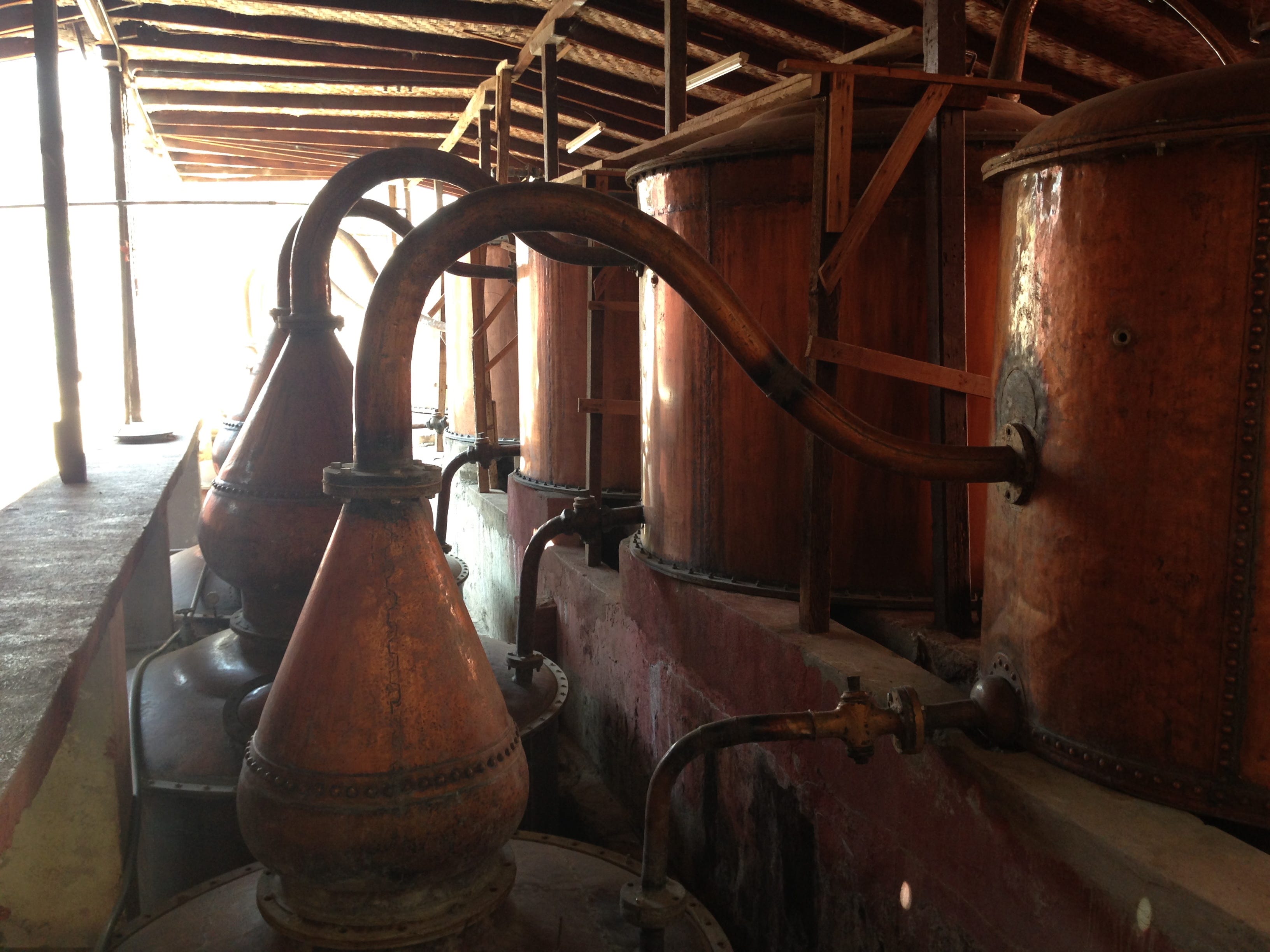
While both Chile and Peru produce grape brandies, the spirit made in Peru is an exclusively Peruvian creation. To be clear, I am not saying the grape brandy from Chile is inferior. It’s different, made from different grapes, with different terroir, and a different distillation process. Chile can continue to distill brandy, but can’t call it pisco.
Because of pisco’s history in Peru, and documents which prove that pisco was first distilled in Peru, only Peru has the right to use the pisco appellation.
It’s time for Chile to stop using the name pisco. Pisco is from Peru, carajo!
Great article, Nico! And, yes, Pisco is from Peru, carajo!!! 🥰