

Lima’s love for street food spans centuries. Today, locals in Peru’s coastal capital seek out food carts and market stalls that offer ancestral brews, tamales, empanadas, caramel cookies, sweet potato donuts, mashed potato casseroles, grilled beef-heart kebabs, and purple corn puddings. But it was Lima’s colonial-era criollos of Spanish, Andean, and Black heritage who first cooked and hawked these dishes.
In the 1872 book Tradiciones Peruanas (Peruvian Traditions), Peruvian writer Ricardo Palma (1833-1919) shares stories about creole life in colonial-era Lima. In one story, he documents the city’s daily menu that consisted of food and drinks that are still popular today. Singing pregones from morning ’til night to announce their wares, Lima’s original street food vendors had something for everyone:
6 a.m.: lechera
7 a.m.: tisanes and chicha
10 a.m.: tamales
12 p.m.: empanadas
1 p.m.: alfajores
2 p.m.: picarones and causa
3 p.m.: anticuchos
7 p.m.: mazamorra morada
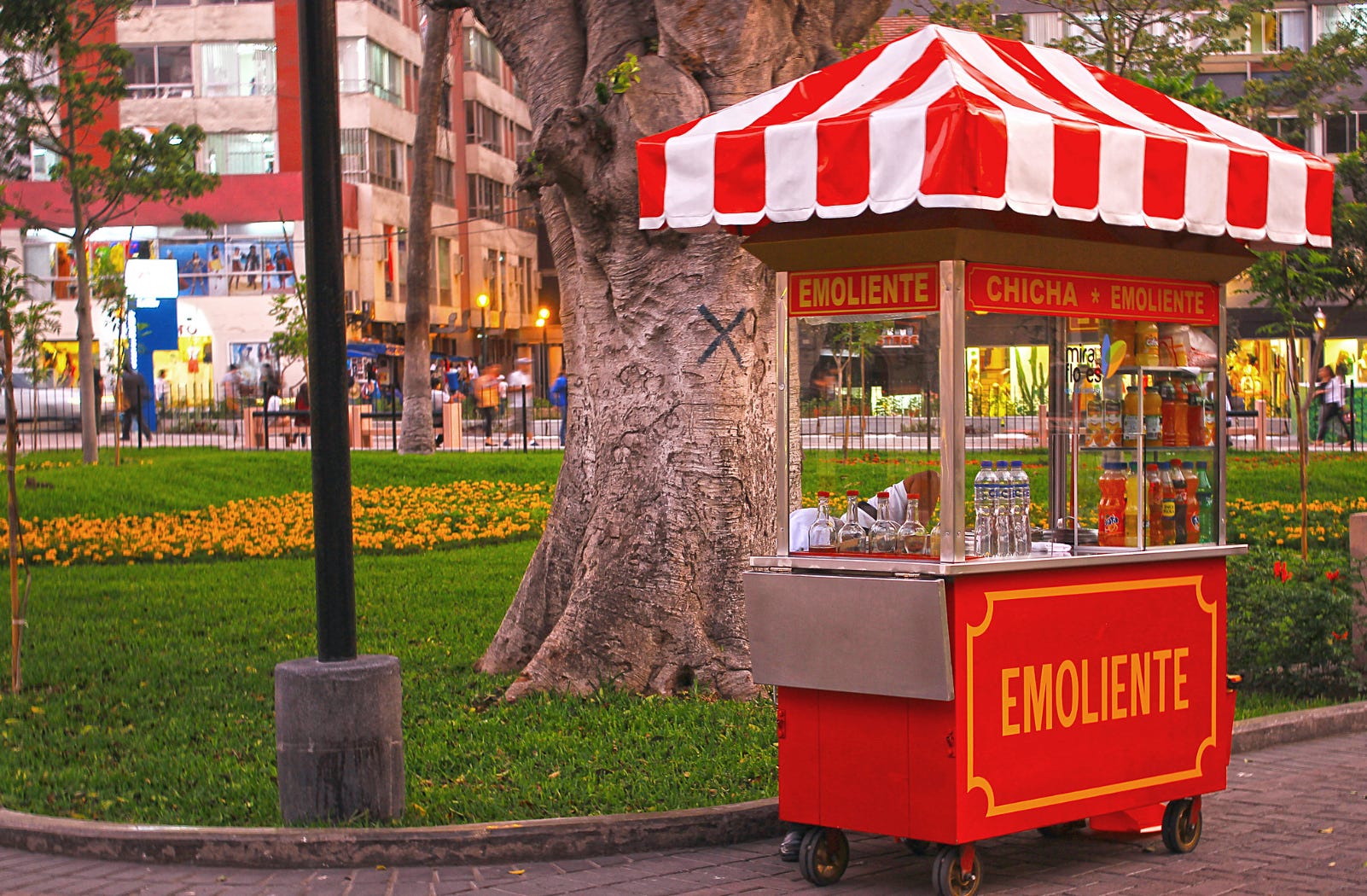
After the early morning milk vendor came the tisanera and chichera, and according to Palma both were Afro-descendant women. Chicha is an ancestral fermented corn beer from the Andes, and tisanes are herbal curative infusions. Eventually, tisanes evolved into emoliente, a hot brew of barley water and medicinal plants that’s a daily ritual to many limeños (people from Lima) today.
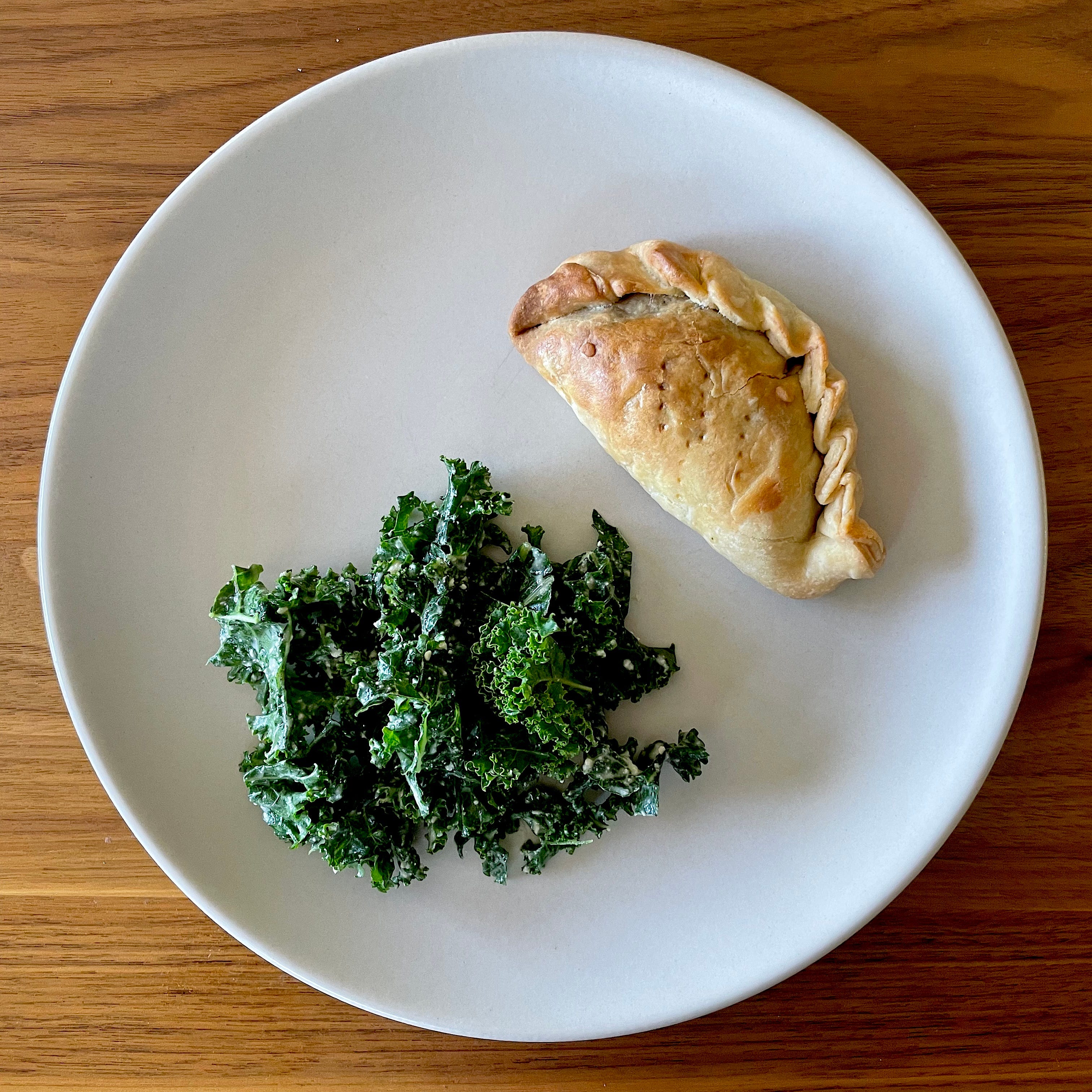
Colonial foodways brought empanadas from Spain to Peru, and Lima’s creoles filled them with picadillo—ground beef cooked with spices. But the Peruvian tamal has precolonial origins. For centuries, Quechua people have prepared humitas by boiling grated fresh corn that’s packed and wrapped in leaves. Eventually, Afro-descendant women added savory ingredients to humitas. These creole humitas were similar to Mexican tamales, so that’s what colonists and vendors ended up calling them.
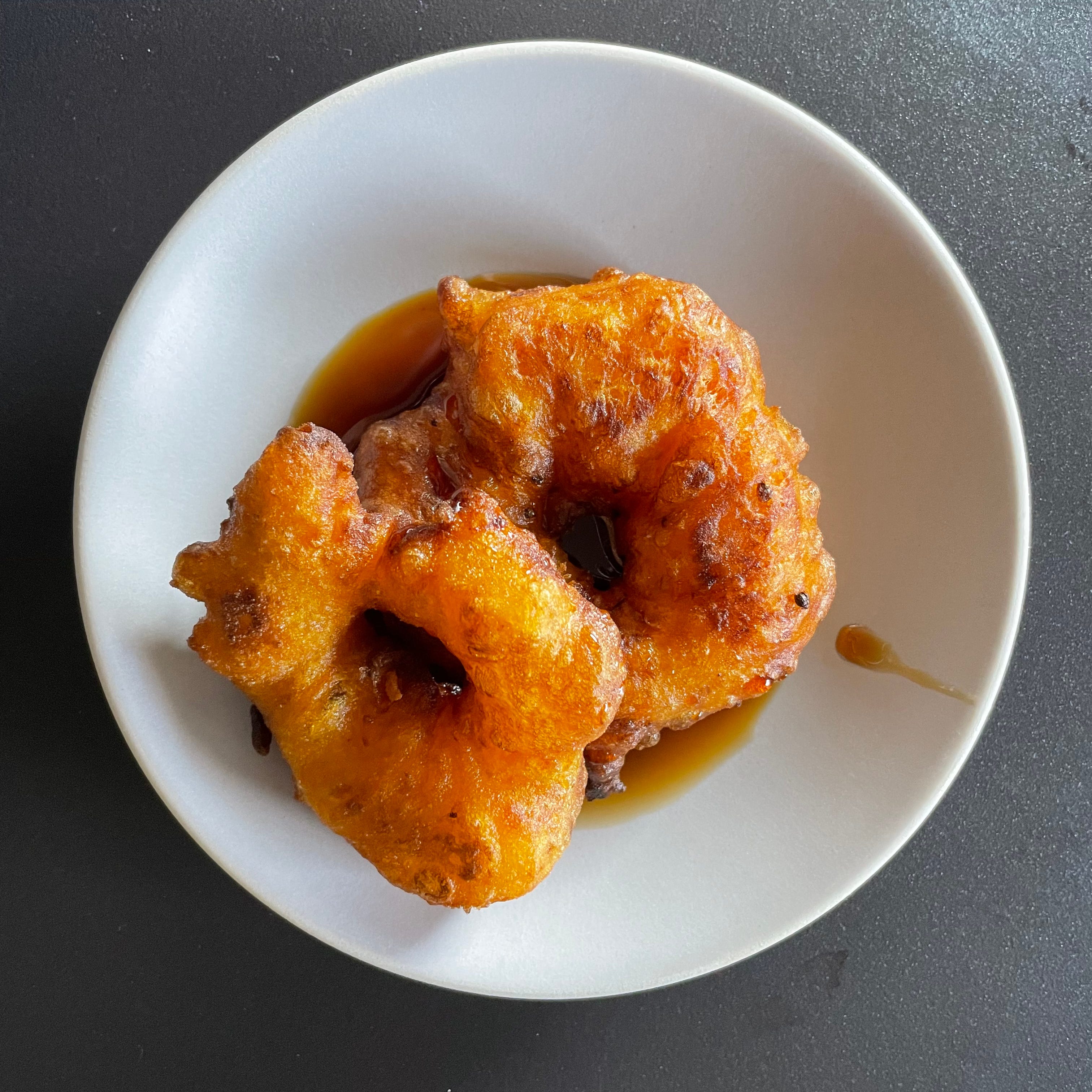
Derived from a Moorish confection, alfajores are shortbread cookie sandwiches filled with milk caramel and dusted with powdered sugar, while buñuelos are fried dough balls. Alfajores have remained largely the same, but Afro-Peruvian cooks transformed buñuelos into picarones—doughnut-shaped fritters made with an anise-infused sweet potato and squash dough, and bathed with “miel,” a thick raw sugar syrup that’s spiced with cinnamon and cloves.
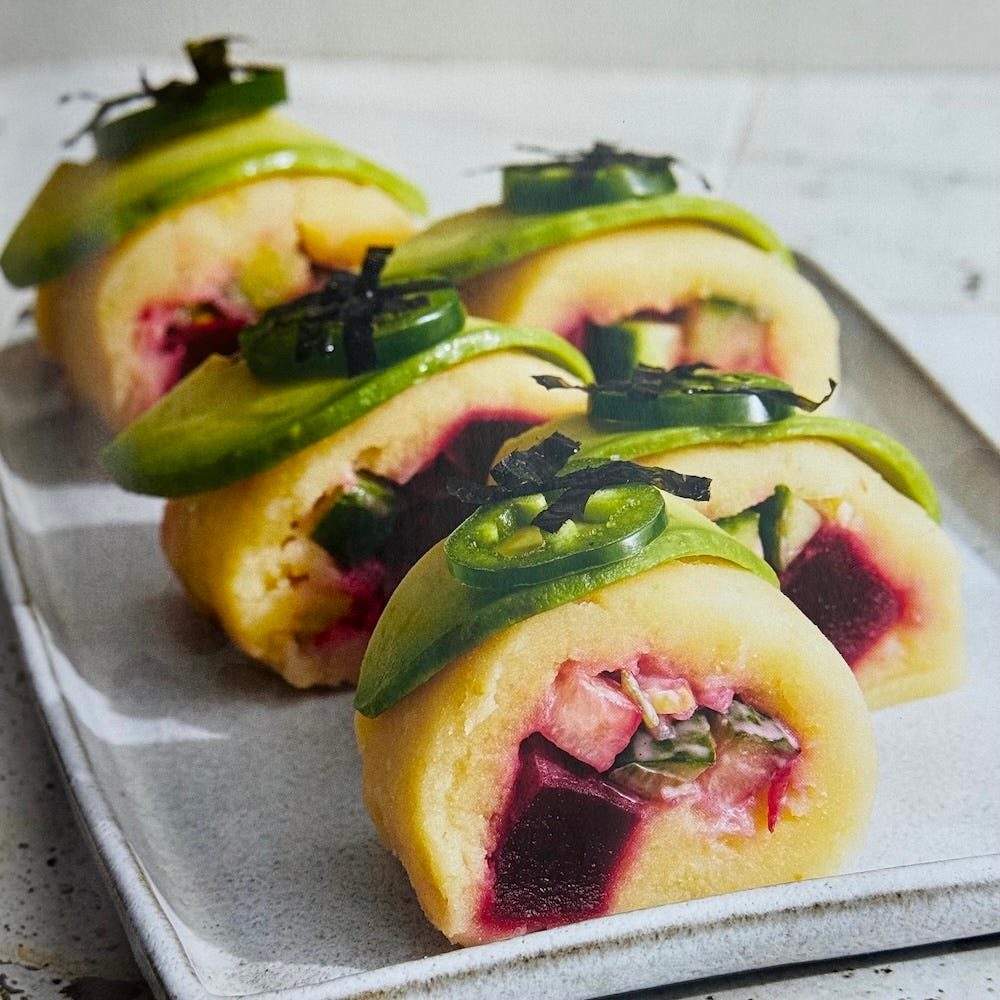
Then, causa was a savory midafternoon break. Palma writes that causa was from the northern coastal town of Trujillo, an epicenter of Peru’s independence movement. Originally, causa was a mashed potato dish made with salt, citrus juice, oil and hot peppers topped with olives and fried fish or shrimp. Today, a contemporary variation is the Japanese-Peruvian causa mashed potato roll that resembles a sushi rice roll.
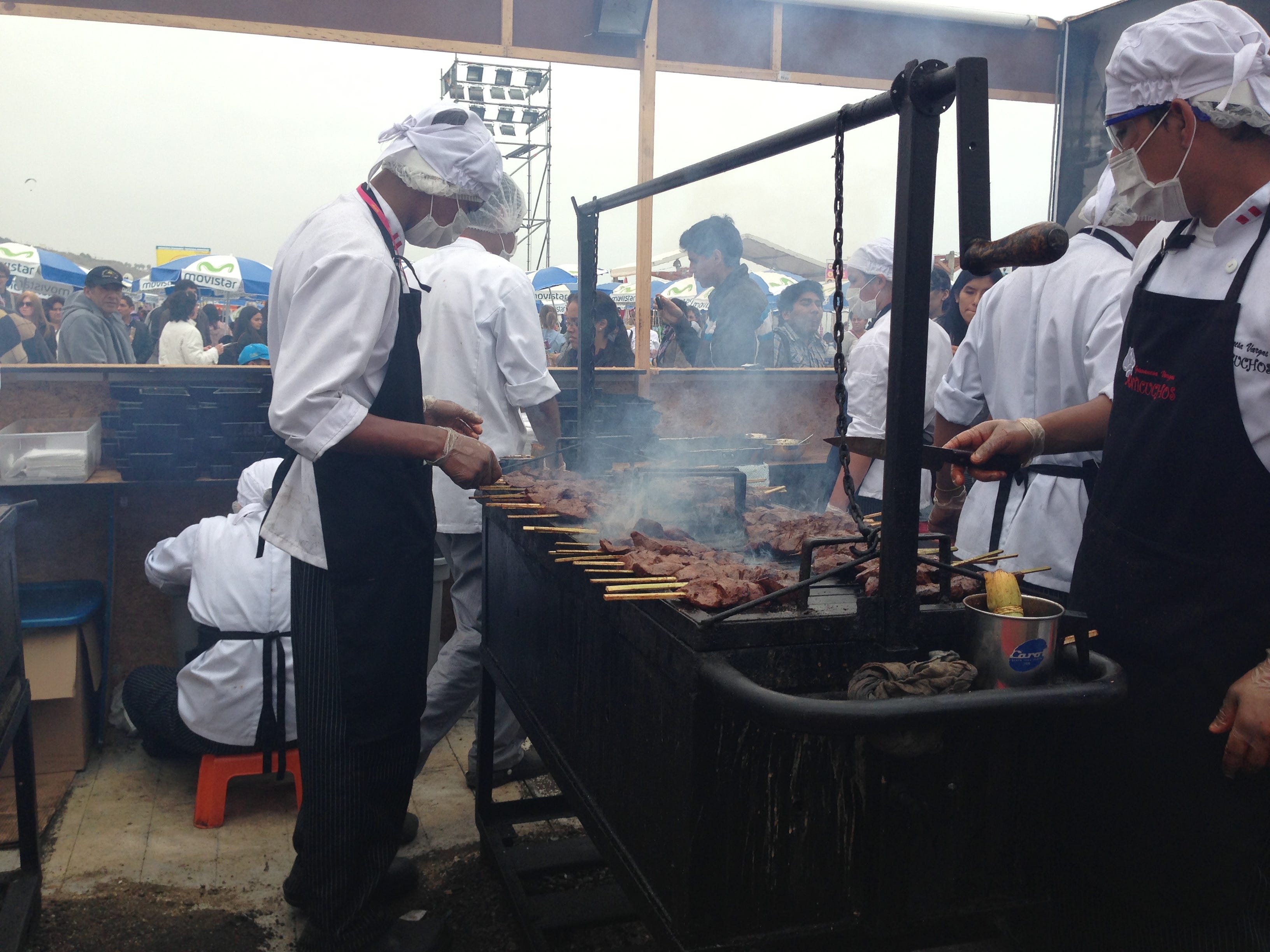
Afterwards, came anticuchos, one of Lima’s most iconic street foods. Afro-descendants grilled these smoky beef-heart kebabs that are marinated in vinegar, lime juice, spices and hot peppers. The story goes that colonists discarded offal, but enslaved people would use these cast away cuts of meat to cook kebabs and stews.
Towards the end of the day, came mazamorra morada, a creamy purple corn pudding that originated in Andean communities. Lima’s cooks prepare it by boiling purple corn with cinnamon, cloves and fruit peel to create a stock. Then, they add sugar, lime juice and sweet potato flour to thicken it. This dessert is so popular with limeños that they proudly call themselves “mazamorreros”—meaning “those who eat mazamorra.”
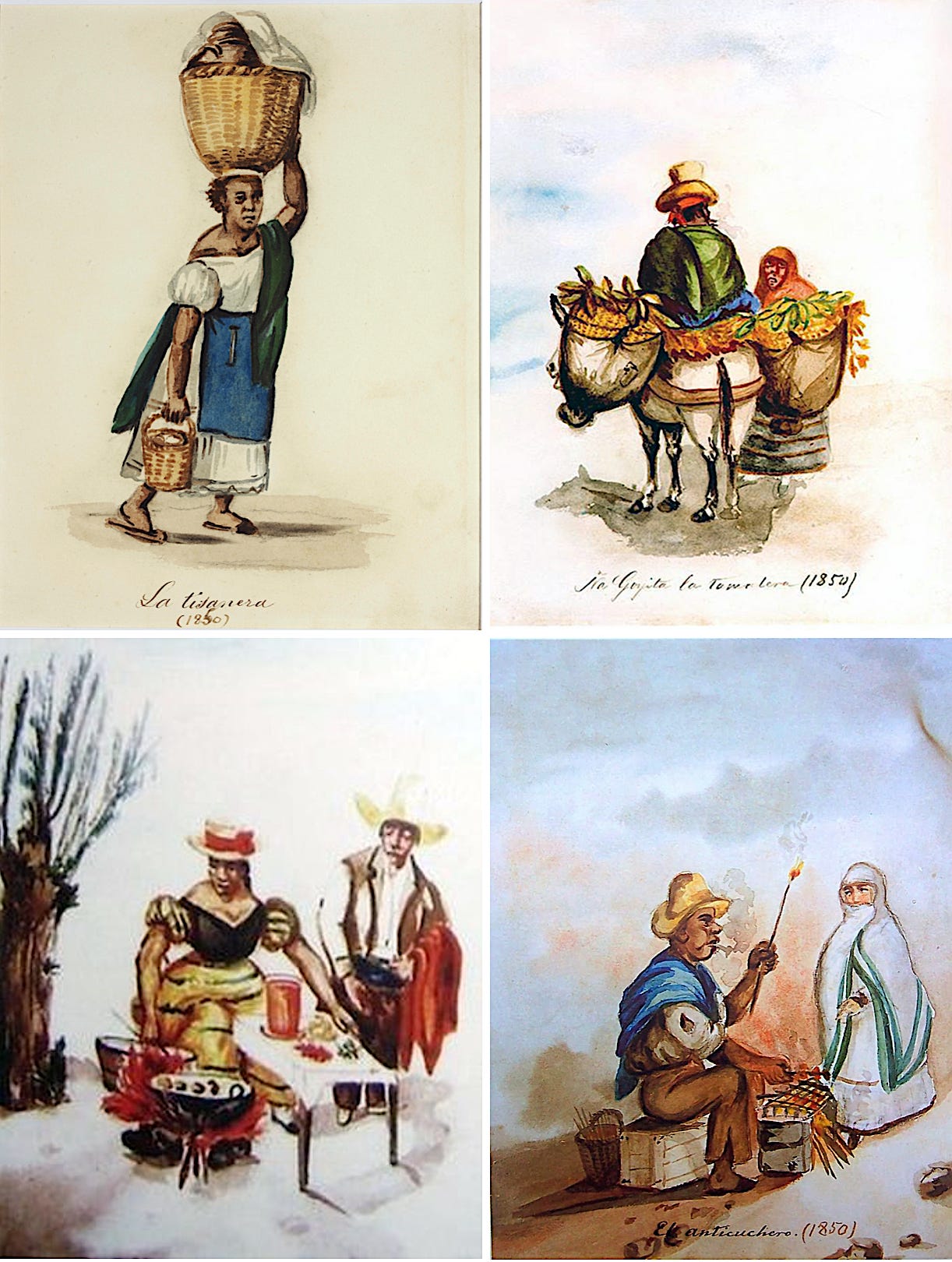
The complement to Palma’s stories are Pancho Fierro’s watercolor paintings (1807-1879). His illustrations are a visual record of street food vendors in Lima circa 1850. Fierro draws the tisanera as a Black woman on foot, balancing a large vase with tisane on her head. The tamalera is riding a mule carrying two baskets filled with tamales. The picaronera is deep-frying picarones in an oil-filled pot over a wood fire. And the anticuchero is sitting on a wood crate while grilling anticuchos.
Today, the pregones are gone, but Afro-Peruvian musician Victoria Santa Cruz recreated the songs of the street food vendors in “Gritos de Pregoneros.” The chichera, for example, sang: “chicha que el cuerpo mejora y acaba con la desdicha.” She promised that drinking chicha betters the body and ends misery. While the tisanera announced her arrival, bringing fresh tisana with shaved ice and pineapple: “la tisanera llegó, aquí está la tisanera, tisana con nieve y piña, ¡tisana!, tisana fresca.”
Another song that pays homage to the street food vendors of yesteryear is the 1957 creole waltz “Viva el Perú y Sereno” by Alicia Maguiña. “Pregoneros que con potentes voces van marcando con afán del reloj el tic-tac,” refers to the powerful voices of the singing street food vendors that announced their arrival like clockwork.
Since 2012, Peru has won the World’s Leading Culinary Destination award 13 times, beating giants like Japan, Spain, France, Italy, and Mexico. No doubt Lima’s tasting menu restaurants such as Maido or Central are a draw, but they are relatively new. In contrast, street food vendors have been around for centuries. And, only by eating in the street can you have a profoundly visceral experience where every bite connects you directly to the people of Lima and the origins of their creole street food.
Whetstone originally published this story in 2020. Since then, the publication has shuttered and the story is no longer available online. So I am posting an edited version here to preserve my work, and to continue sharing Peru’s culinary history.